
-
Providing resuscitation is a core skill of a DMT.
-
-
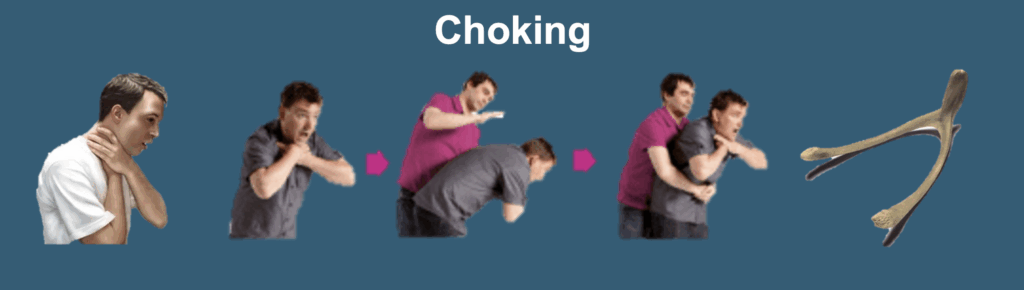
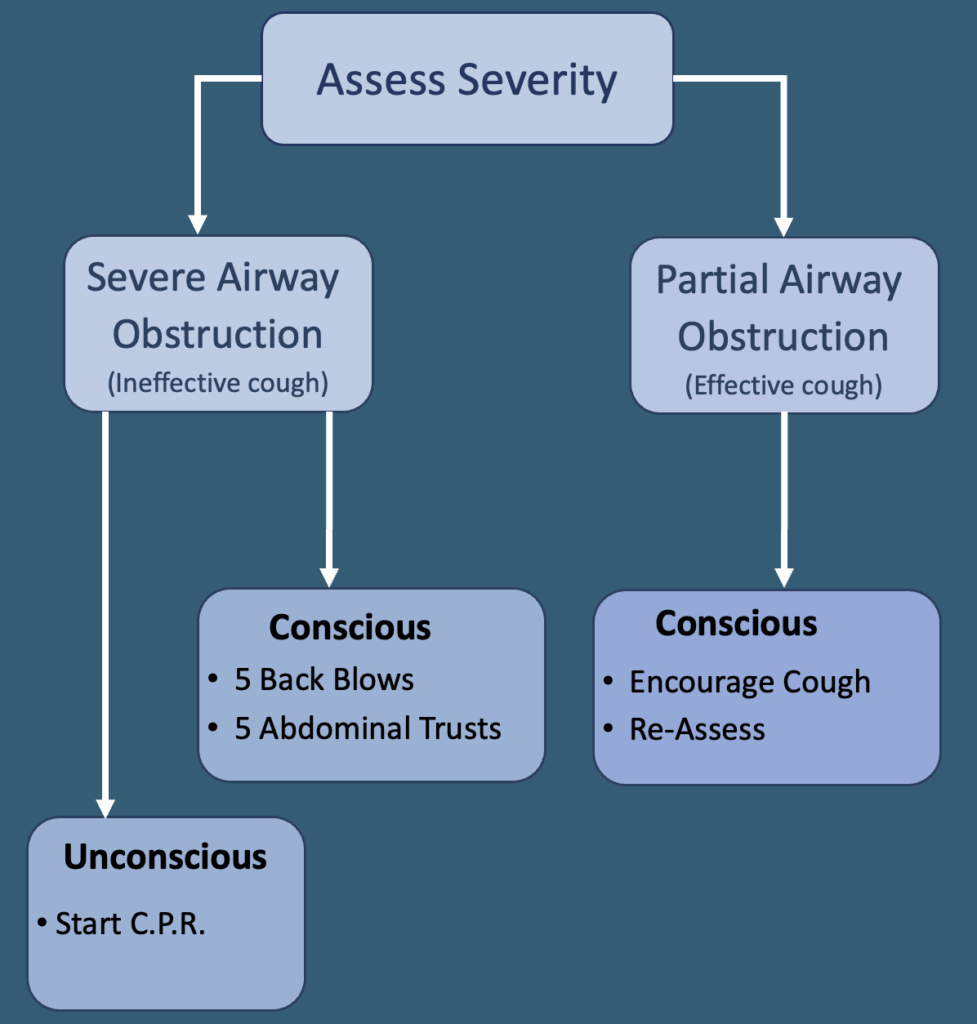
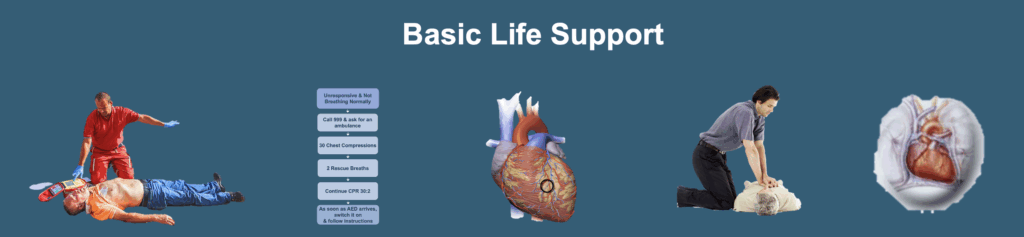
As a medic being able to perform CPR is a fundamental skill.
It must be remembered that the process of CPR does not restart the heart. Its a holding action (to perfuse the organs, particularly the brain) until the heart can be restarted, general through defibrillation. Cerebral hypoxia can occur in as little as 6 minutes without CPR / Defibrillation. Generally it is considered that a casualty is unretrievable if they have had no resuscitation for 10 minutes or more. Cold is a real factor in this. Successful resuscitations have been documented in casualties who have been clinically dead in hypothermic conditions over 6 hours after death.
There are a couple of difference with regards to CPR in the diving world, particularly saturation diving.
Restricted Space
Especial in the diving bell. Many Closed Bell divers have been instructed in alternate techniques of chest compression whilst in a bell. Several variants involve chest compressions whilst the victim is in a vertical position. There is a ‘head butting techniques’ & a ‘kneeing’ technique. Medically these make little logical sense. These techniques evolved when 2 man bells were common and there was little other option. The real aim with cardiac massage is to gat an effective cerebral perfusion. The normal cardiac output is 5-6 litres per minute. In the critically ill this is measurable with intra-arterial lines. When resuscitation is given, the best cardiac output achievable with a casualty, horizontal, with a firm board behind them, is 2-3 litres Cardiac Output. Therefore cardiac massage in a vertical victim would achieve virtually no cerebral perfusion… which is the whole aim of CPR. We have discovered in hospital resuscitations however, that if a horizontal casualties legs are vertically elevated, the C.O. can increase to 3-4 litres / min. This has profound implications for bell resuscitations. In modern 3-4 man bells with a lateral access door it can be possible to lover the victim to the floor & place there legs up the bell wall.
Available ppO2
OK… a casualty has 6-10 minutes with no resuscitation or they are ‘brain dead’… There are two factors; temperature and ppO₂. We have discussed cold.
The 6-10 minutes without resuscitation is for a normobaric casualty. with a ppO₂ of 210 mbar. In the diving world these are increased & cerebral metabolic survival is possible for longer.
- ppO₂ in Saturation 400 mbar = 15-20 minutes
- ppO₂ in Bell 600 mbar = 25-30 minutes
- ppO₂ in Diving excursion 700 mbar = 30-35 minutes
- ppO₂ in bail-out 1600 mbar max = > 70 minutes (keep in mind this will be combined with acute hypothermia)
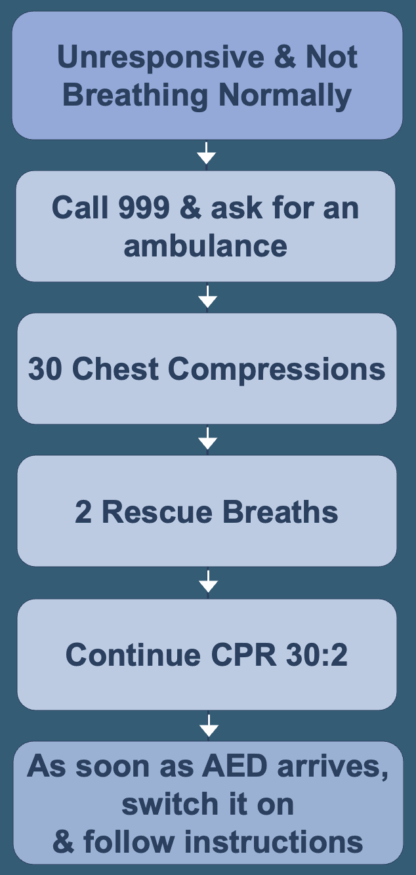
So. it is important that divers are proficient at CPR. It is also important that they are aware of the key differences when dealing with divers.
The use of effective teamwork is an important factor. This is something that is a key feature on your course at TRAUMA Training.
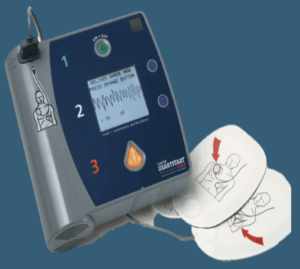
It must be understood the Basic Life Support is a holding action. Fundamentally the main purpose of CPR is to provide early access to defibrillation.
It must be understood the Basic Life Support is a holding action. Fundamentally the main purpose of CPR is to provide early access to defibrillation.
- DMT Course Manual. Section 3.1 to 3.1.2
- European Resuscitation Council Guidelines 2021- Basic Life Support
Now proceed to the quiz: > > > > > >
-
LST Exam Prep Course
Background Colour
Font Face
Font Kerning
Font Size
Image Visibility
Letter Spacing
Line Height
Link Highlight
Paragraph Width
Text Alignment
Text Colour