
-
DCI is clearly a risk in diving. Please ensure you have completed the Neurological A&P and Neurological Assessment Lessons before preceding with this lesson:
-
-
View next video
-
-
Now we know about DCI. How do we treat it?
-
-
This is a subject that the DMT must understand. Unfortunately DCI’s are generally poorly described within the diving industry. The Comercial diving industry generally is safety conscious. When planning a dive SOP’s often require supervisors to instigate a plan with a lot of compensation, it is normal to plan a dive several ‘schedules’ up from the dive actually being undertaken. It is for this reason that DCI is generally rare in Comercial diving.
However, recreational diving has a fairly high ‘bend’ rate and there are some Comercial Diving practices there are significantly more dangerous, these include; Surface Decompression diving (bend & mend), Fish farming and compressor diving (common in undeveloped countries).
It is essential that the DMT absorbs the information in the videos, its worth watching them several times.
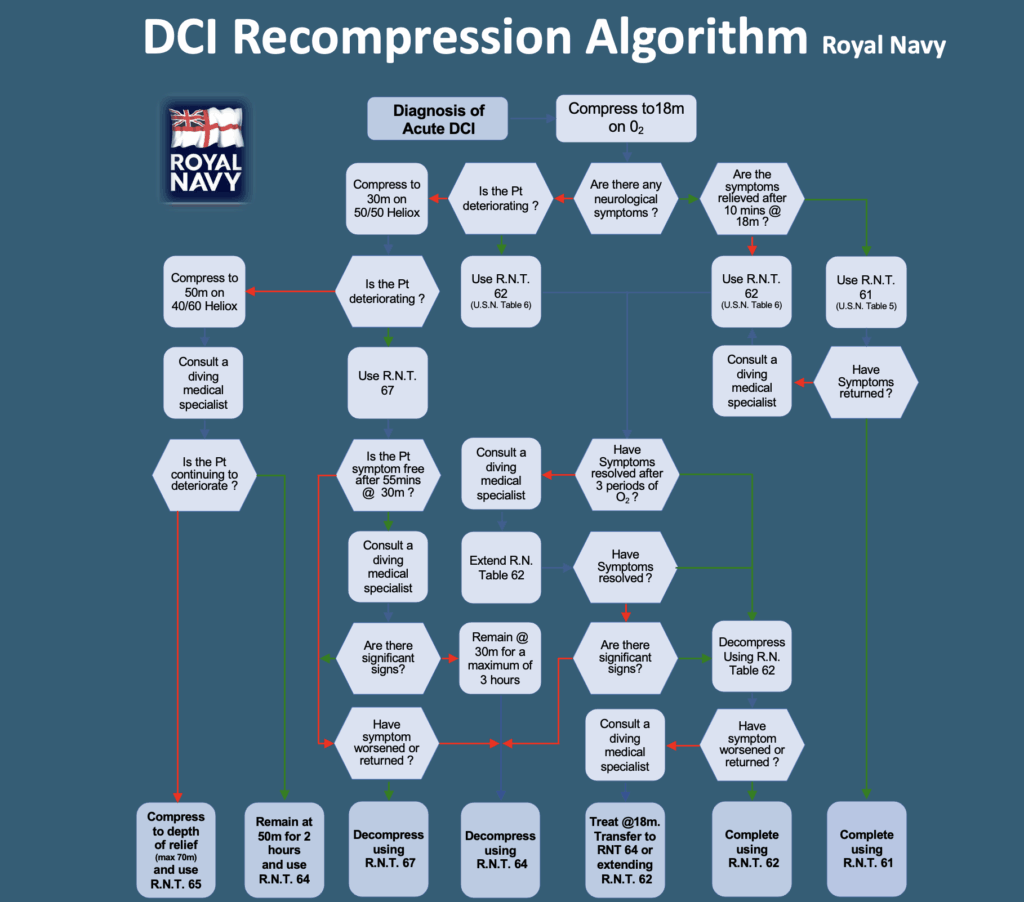
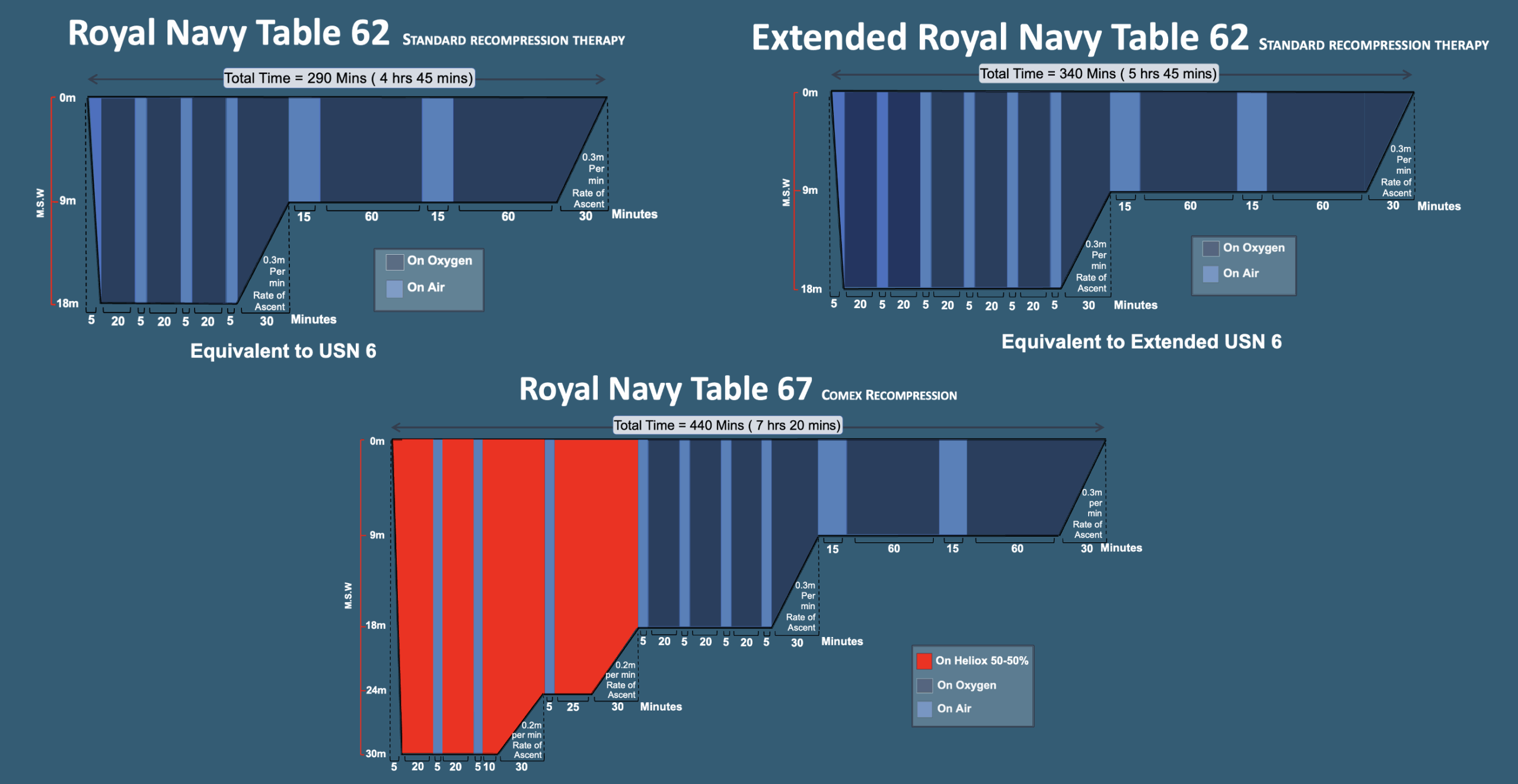
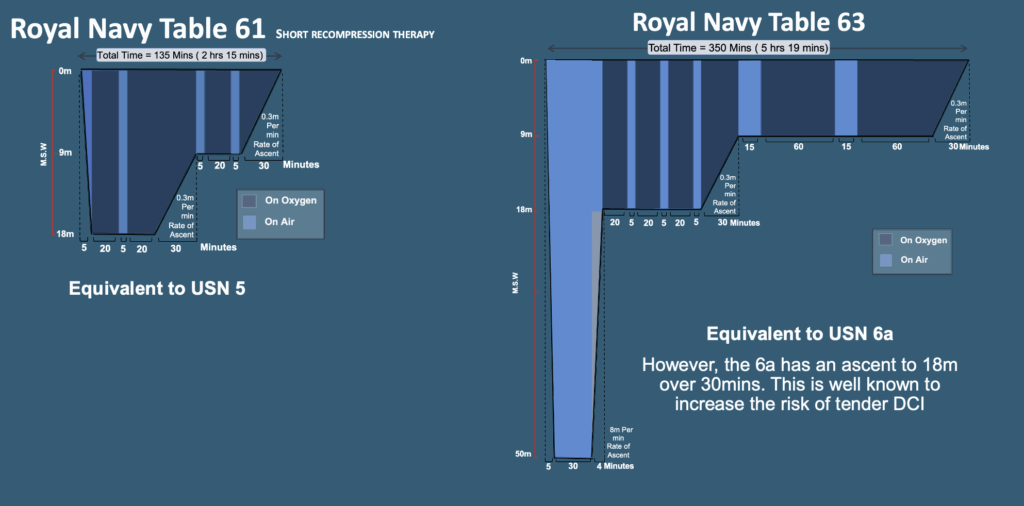
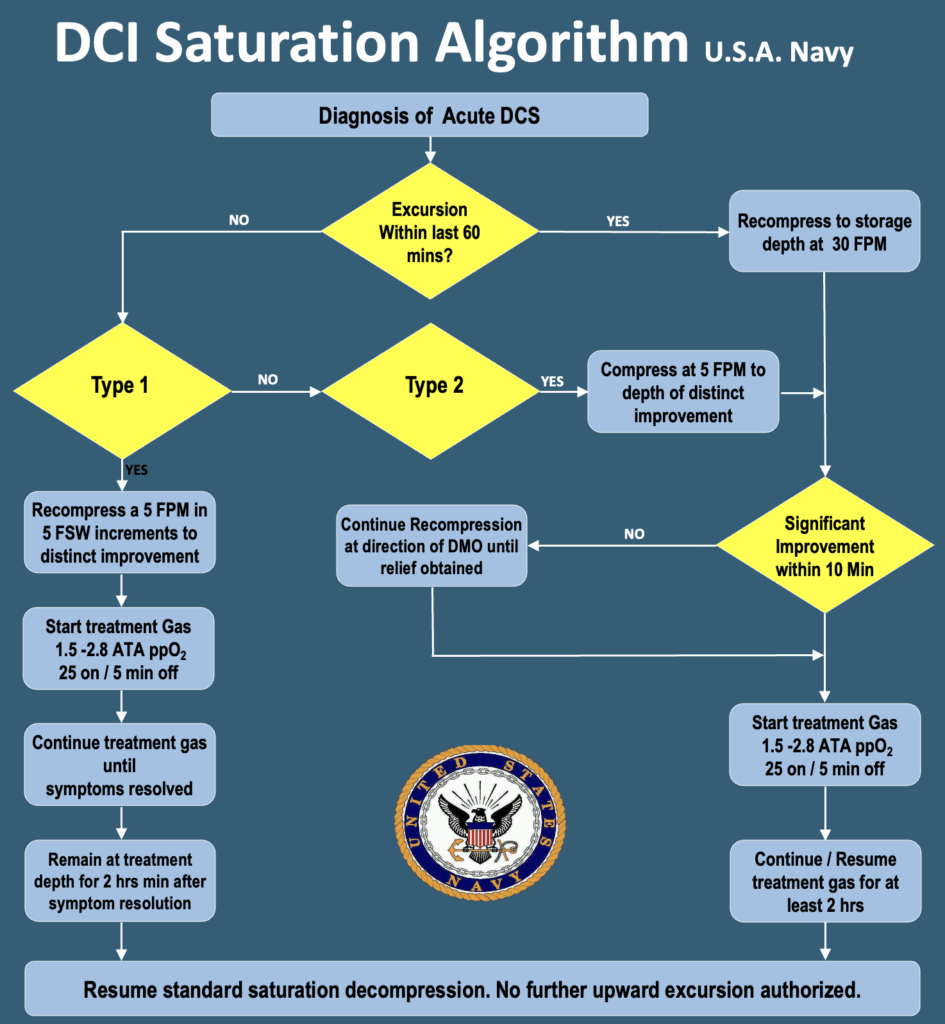
This is a VERY well legislated area of diving:
- Rapid Diver Assessment Form
- DMAC 022 Proximity to a Recompression Chamber after Surfacing
- DMAC 007 Recommendations for Flying After Diving
- DMAC 023 The Use of Heliox in Treating Decompression Illness
- DMAC 009 Fitness to Dive after Neurological Decompression Sickness
- DMAC 001 Aide Mémoire for Recording and Transmission of Medical Data
- IMCA D036 Neurological Assessment of a Diver
- DMT Course Manual. Section 4.1 to 4.3.2
PLEASE PROCEED TO QUIZ > > > >
-
Bell Diving Supervisor (BDS) Exam Prep Course
Background Colour
Font Face
Font Kerning
Font Size
Image Visibility
Letter Spacing
Line Height
Link Highlight
Paragraph Width
Text Alignment
Text Colour